
Table of Contents Show
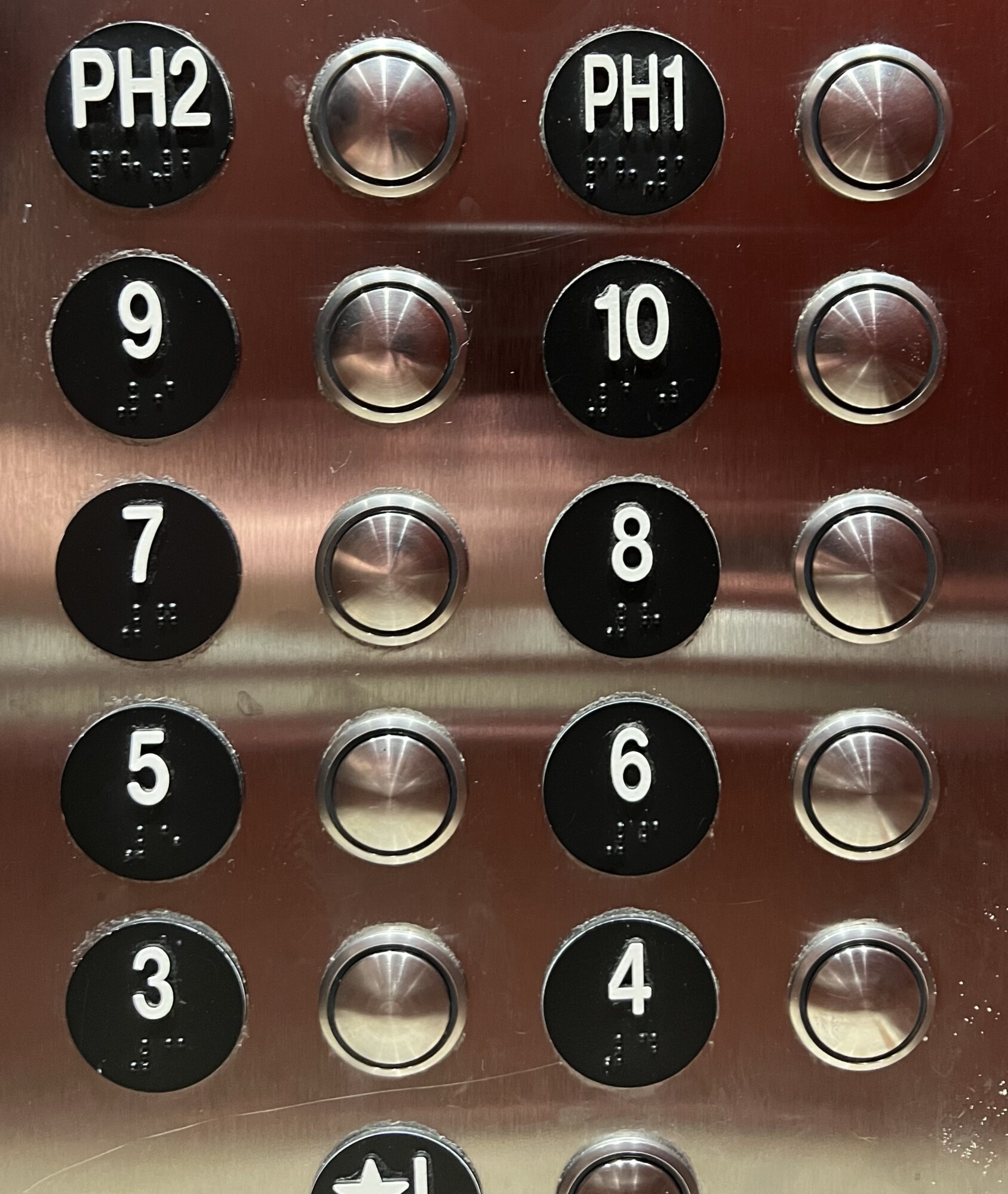
In the heart of New York City’s iconic skyline, an unusual phenomenon persists in countless buildings – the absence of a 13th floor. While the bustling city may be a beacon of modernity and progress, it remains bound by a centuries-old superstition that has left its mark on the architectural landscape. The enigma of the missing 13th floor has intrigued residents, visitors, and scholars alike, highlighting a curious blend of tradition, culture, and human psychology.
A Superstitious Legacy: The Origins of Triskaidekaphobia
The avoidance of the number 13, known as triskaidekaphobia, has roots that can be traced back through history and across cultures. Ancient civilizations, such as the Babylonians and Egyptians, regarded the number as an omen of misfortune. In Norse mythology, the mischievous god Loki was said to be the 13th guest at a banquet, which ultimately led to chaos and calamity.
This superstition took a firmer hold during the Middle Ages when the Christian faith significantly shaped cultural perceptions. The Last Supper, with its 13 attendees and subsequent betrayal of Jesus by Judas, cemented the association of 13 with bad luck and treachery. The fear of this number culminated in various rituals and customs, including omitting the 13th floor of buildings.
The Skyscraper Paradox: New Heights, Old Fears
The emergence of skyscrapers in the late 19th and early 20th centuries introduced a unique challenge to architects and developers in New York City. As buildings soared to unprecedented heights, the absence of a 13th floor became common, driven by superstition, consumer preference, and pragmatic marketing.
In an era where competition for tenants was fierce, developers recognized the potential impact of triskaidekaphobia on potential renters and buyers. While the omission of the 13th floor may have seemed irrational to some, it reflected a shrewd understanding of consumer psychology. Prospective occupants were more likely to lease or purchase units in buildings that adhered to this prevailing belief, ensuring a steady stream of tenants and a positive reputation.
The decision to exclude the 13th floor was not always solely rooted in superstition. Architects faced both practical and psychological considerations. They had to strike a delicate balance between accommodating potential occupants’ cultural beliefs and ensuring their projects’ commercial success. In a city that embraces diversity and cultural pluralism, architects walked a fine line between adhering to tradition and meeting the demands of a modern metropolis.
A Psychological Quirk: The Power of Perception
The superstition surrounding the 13th floor underscores a psychological quirk deeply embedded in human nature – the influence of perception on behavior. Psychologists have long explored how irrational beliefs and superstitions can impact decision-making. Even in a metropolis as progressive and rational as New York City, the lingering power of triskaidekaphobia continues to shape choices in subtle yet significant ways.
This phenomenon can be understood through cognitive dissonance theory, which posits that individuals are driven to seek consistency between their beliefs and actions. The absence of a 13th floor in buildings aligns with the prevailing belief that the number brings bad luck. By conforming to this norm, building architects and developers minimize cognitive dissonance and provide occupants with comfort.
Modern Interpretations: Balancing Tradition and Modernity
While triskaidekaphobia remains deeply rooted in cultural and historical contexts, the modern era has gradually shifted attitudes. Skepticism and rationality have eroded some traditional superstitions, giving rise to discussions about the relevance of avoiding the 13th floor.
Recently, a few forward-thinking architects and developers have challenged the conventional practice by incorporating the 13th floor into their designs. This gesture symbolizes a departure from entrenched beliefs while embracing a more rational and inclusive perspective. By acknowledging the 13th floor, these innovators acknowledge the importance of adapting traditions to contemporary sensibilities.
A City of Paradoxes: A Glimpse into NYC’s Soul
The absence of the 13th floor in New York City buildings is a testament to the city’s rich tapestry of cultures, beliefs, and histories. In a metropolis that embraces progress and innovation, the persistence of triskaidekaphobia serves as a poignant reminder of the complexity of human nature. It highlights the delicate balance between tradition and modernity, rationality and irrationality.
As you navigate the city’s iconic towering skyscrapers and explore its neighborhoods, take a moment to ponder the enigma of the missing 13th floor. It encapsulates the paradoxes that define New York – a city at the crossroads of old and new, where age-old superstitions coexist with cutting-edge technology and where the human psyche continues to shape the landscape surrounding us. The missing 13th floor invites us to reflect on the enduring influence of the past on the present and how beliefs, no matter how irrational, continue to shape the world around us.

