

Table of Contents Show
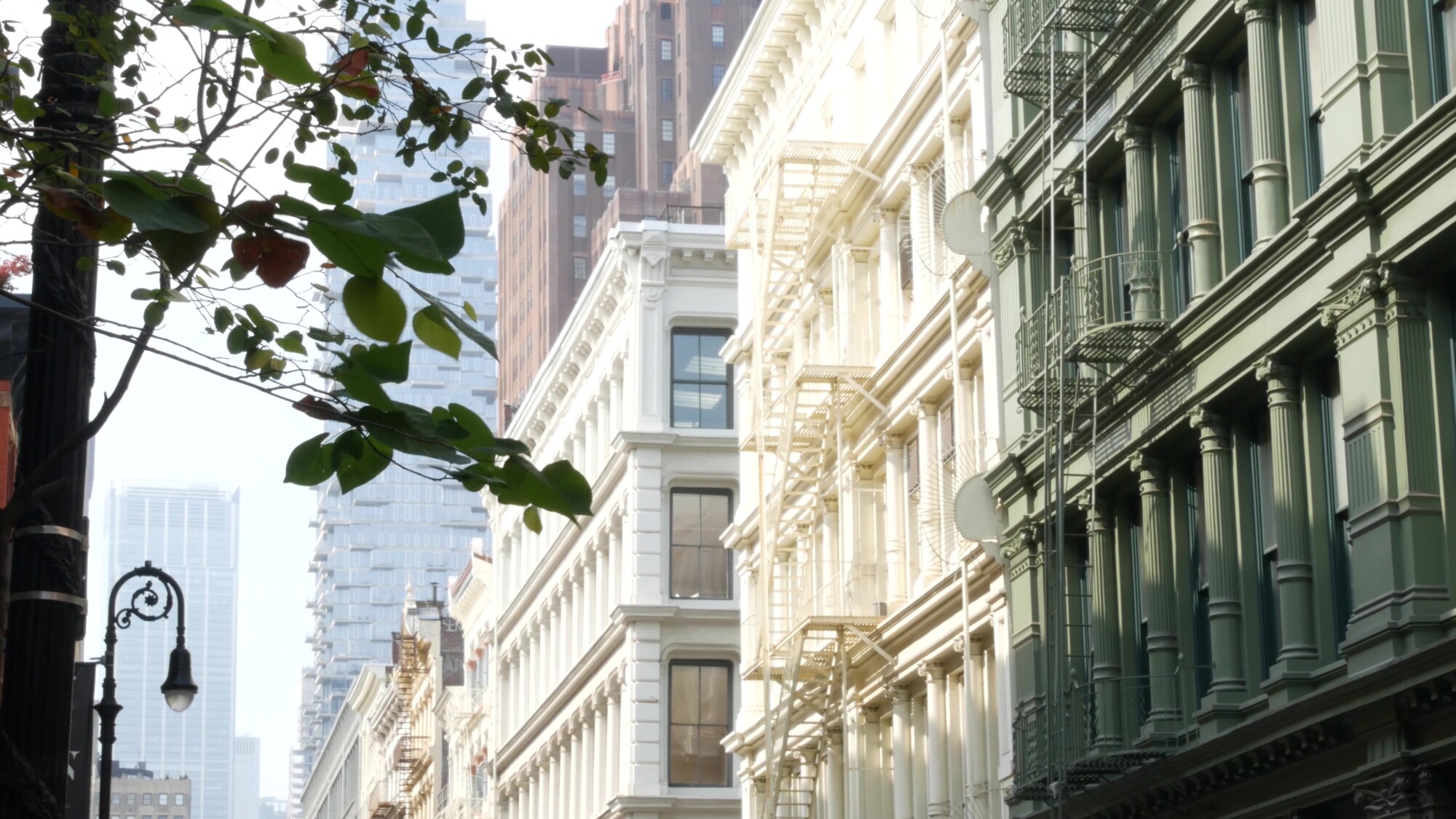
The view from a West Village rooftop at dusk, with an amber-pink sky glazing the Hudson and the jagged silhouettes of prewar towers and cranes in mid-motion, reminds us that real estate is not merely shelter in New York City. It is aspiration, status, and currency.
It is also, ineluctably, expensive and becoming more so.
Even as housing markets nationwide cool, New York remains an outlier. Median sales prices in Manhattan have begun rising again, luxury inventory is being quietly absorbed, and bidding wars have returned to brownstone Brooklyn. Mortgage rates may be high, but so is demand.
The question, as perennial as the skyline itself, remains: why?
A City of Limits
“There’s no land left,” said Gea Elika, principal broker of ELIKA Real Estate, a firm that works exclusively with buyers. “You can’t expand outwards like other cities. So you build up. But even that is constrained by zoning, landmarks, politics, and sheer complexity.”
Indeed, approximately 28 percent of Manhattan’s buildings fall within landmarked historic districts governed by the Landmarks Preservation Commission. Similar restrictions apply in brownstone Brooklyn, where architectural preservation is a near-religion. Meanwhile, vast areas remain frozen in the outer boroughs under outdated zoning laws limiting multifamily construction and inhibiting density even near subway lines.
These constraints have created what economists refer to as “artificial scarcity.” Unlike other American cities that can sprawl outward to meet rising demand, New York is hemmed in by water, regulations, and history. The result is a tightly rationed housing market in one of the world’s most dynamic urban economies.
The Global Safe Deposit Box
New York real estate has also long attracted foreign buyers seeking stability. From glassy Billionaires’ Row towers to limestone co-ops along Fifth Avenue, property in Manhattan is often seen as a hedge against political instability, currency devaluation, or asset seizure abroad.
“New York isn’t just a city,” said a consultant who advises overseas investors. “It’s a brand. It’s a passport for your money.”
This dynamic turns condominiums into what some critics call “safe deposit boxes in the sky.” Policies like the Foreign Investment in Real Property Tax Act (FIRPTA) and steep mansion and transfer taxes have sought to cool speculative foreign investment. But the appeal remains strong. All-cash purchases are still standard, especially in the luxury segment, where financing is often unnecessary. That drives prices upward and shapes development priorities, encouraging the construction of more high-end units while more affordable options languish.
A Magnet for Talent and Inequality
Despite the pandemic, the remote-work revolution, and high-profile reports of urban exodus, New York continues to draw people. Tens of thousands arrive each year: aspiring financiers, fashion designers, entrepreneurs, and artists—all willing to pay a premium to be part of the city’s cultural and economic engine.
That influx keeps competition fierce. Yet housing production has consistently lagged demand. Between 2010 and 2020, the city gained more than 600,000 residents, but fewer than 350,000 new housing units were added.
What housing does get built often targets the top of the market. Inclusionary zoning programs and tax incentives for affordable development have had mixed results, bogged down by bureaucracy, limited funding, and community resistance. The city’s vaunted 421-a tax abatement, once a key developer incentive, expired in 2022 without a comprehensive replacement. The result is a distorted landscape: luxury units with no takers in Midtown, desperate demand in Queens, and a middle class being squeezed from both ends.
The High Cost of Building
Developers say the economics of construction in New York are punishing. “It’s not just about the land cost,” said a Brooklyn-based developer. “It’s that every nail, every pipe, every permit costs more here than almost anywhere else.”
New York’s construction costs are among the highest in the world. Union labor, high material prices, insurance requirements, and complex permitting processes all drive up the cost of building. On top of that, interest rates have surged, making financing more expensive. As returns shrink, fewer projects move forward, exacerbating the shortage and keeping prices high.
Ironically, even when land is available and zoning permits higher density, many developers still hesitate. Many argue that without meaningful reform or public-private coordination, the city’s housing crisis will deepen, not because of a lack of space, but because of prohibitive economics.
A Psychological Price Tag
Beyond numbers and zoning codes, there’s another powerful force keeping prices elevated: the mythos of New York.
“People will stretch themselves to live here,” Elika said. “They’ll trade space for location. They’ll accept a fifth-floor walkup or a $1 million one-bedroom because they believe New York is worth it.”
This belief that New York is the center of ambition, creativity, and reinvention cannot be plotted on a spreadsheet. But it has underpinned the resilience of the real estate market for generations. Through financial crises, terrorist attacks, global pandemics, and sweeping societal change, the city has endured. Its housing prices, astonishing as they may seem, partly reflect its identity: expensive because people believe it’s worth it.
In New York, scarcity isn’t just structural; it’s psychological. No price feels too high for those who continue to arrive, seeking opportunity, status, and a place in the story.

