Table of Contents Show
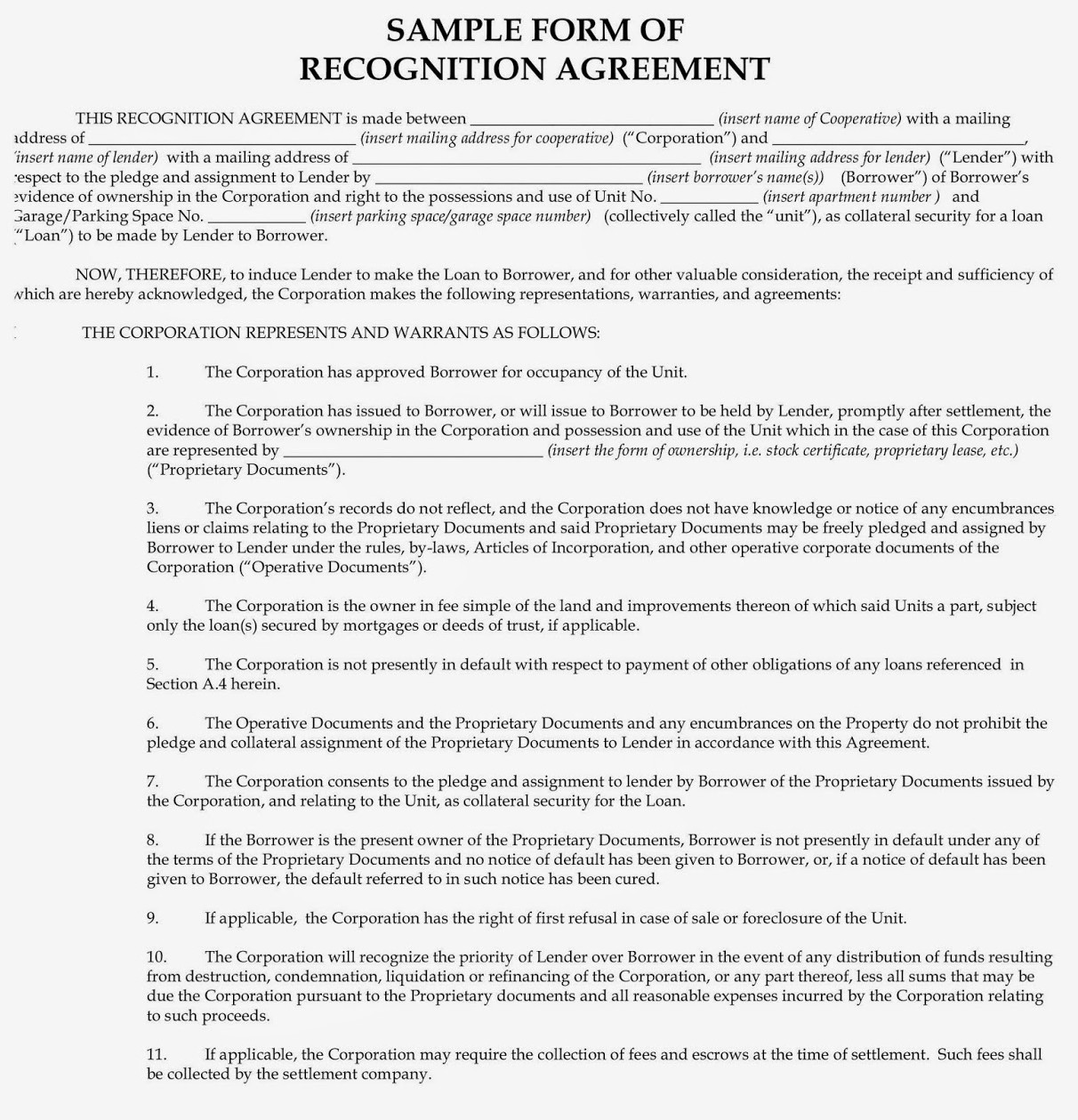
If you’ve ever purchased a co-op apartment in New York City, you might be familiar with the Aztech Recognition Agreement. Despite its name, it has nothing to do with ancient Mexican civilizations and is a crucial document in the co-op buying process. Here’s a comprehensive breakdown of what it is and how it works.
What is an Aztech Recognition Agreement?
The Aztech Recognition Agreement, sometimes called “Aztec,” is a three-party contract involving the buyer, the lender, and the co-op. The agreement gets its name from Aztech Document Systems, the company that produces it, founded in 1973. Before Aztech’s standardized document, lenders negotiated custom agreements with developers and co-op converters for each transaction.
When you purchase a co-op apartment, you’re essentially buying shares in a corporation. The Aztech Recognition Agreement is included in the sales contract to protect the lender and the co-op. The document stipulates that the co-op’s lien takes precedence over the bank’s. If the buyer defaults on their mortgage payments, the co-op must notify the bank before making any changes to the lease. This agreement is mandatory for buyers using mortgage financing.
Historical Context and Evolution
The concept of co-op apartments dates back to the late 19th and early 20th centuries when New York City saw a surge in cooperative housing development. Initially, lenders and co-op developers had to negotiate individual agreements for each shareholder, which was time-consuming and inefficient. The establishment of the Aztech Document Systems in 1973 revolutionized this process by introducing a standardized agreement that could be universally applied, streamlining transactions and providing a consistent framework for protecting all parties involved.
How Does It Work?
The Aztech Recognition Agreement ensures that the lender will make payments for the defaulted shareholder. Additionally, the co-op commits to informing the lender if the buyer fails to pay maintenance or other fees. This system provides a safety net, preventing the co-op from foreclosing without the lender’s knowledge. It acts as an early warning system for the lender, alerting them to the borrower’s financial difficulties.
This agreement also outlines specific procedures for dealing with default events. For instance, if the shareholder defaults on their maintenance payments, the co-op must notify the lender, who then has the right to cure the default on behalf of the shareholder. This clause is crucial because it prevents the co-op from taking drastic actions, such as terminating the lease or initiating foreclosure proceedings, without allowing the lender to intervene.
Benefits of the Aztech Recognition Agreement
- Facilitates Financing: The primary benefit is that it enables buyers to finance their co-op purchases, enhancing property values for all shareholders. Financing options make co-op apartments accessible to a broader range of buyers, thereby increasing demand and potentially boosting the market value of the co-op units.
- Lender Oversight: It allows the lender to monitor the shareholder’s maintenance payments, making the lender a de facto guarantor of these fees. This oversight ensures that maintenance payments are kept current, which is essential for the financial health of the entire co-op.
- Encourages Timely Payments: Shareholders are more likely to avoid falling behind on maintenance payments, knowing that the lender monitors their financial status. A simple reminder from the lender usually ensures timely payments. This mechanism is particularly effective because it leverages the financial institution’s authority to enforce payment discipline, thereby reducing the risk of arrears.
Additionally, the agreement benefits the co-op by ensuring a steady flow of maintenance fees, which are vital for the upkeep and management of the property. Regular maintenance payments contribute to the overall quality of living and preserve the property’s value, which is in the best interest of all shareholders.
Practical Implications for Buyers
For prospective co-op buyers, understanding the Aztech Recognition Agreement is crucial. This agreement must be signed before the closing of any mortgage-financed co-op purchase. Buyers should be prepared to include this agreement in their board package when seeking approval from the co-op board.
Obtaining an Aztech Recognition Agreement
The bank issues the Aztech Recognition Agreement, which must be agreed upon by all parties—the buyer, the lender, and the co-op—before the loan can close. Once agreed upon, it is included in the buyer’s board package. The agreement aims to safeguard the co-op in case of a buyer’s default while protecting the lender’s security interest. Some co-ops may insist on using their version of the recognition agreement instead of the lender’s.
Potential Challenges
While the Aztech Recognition Agreement provides numerous benefits, it can also present challenges. One potential issue is the negotiation process between the three parties. All parties must agree to the terms outlined in the agreement, which can sometimes delay the closing process. Furthermore, some co-ops might have specific requirements or preferences regarding the recognition agreement, which can complicate the process.
Final Thoughts
The Aztech Recognition Agreement is vital to purchasing a co-op apartment with financing in New York City. It protects both the co-op and the lender, ensuring smooth transactions and financial stability for all parties involved. Buyers can more confidently navigate the co-op purchase process by understanding its purpose and benefits.
In summary, the Aztech Recognition Agreement is a cornerstone of co-op financing in New York City. Its standardized approach has streamlined the process, offering protection and peace of mind to lenders, co-op boards, and shareholders. Whether you are a first-time buyer or an experienced investor, understanding this agreement is essential for a successful co-op purchase.

