
Independent neighborhood guidance · Buyer representation, refined since 2001
Find the Manhattan neighborhood that fits the life you want to live.
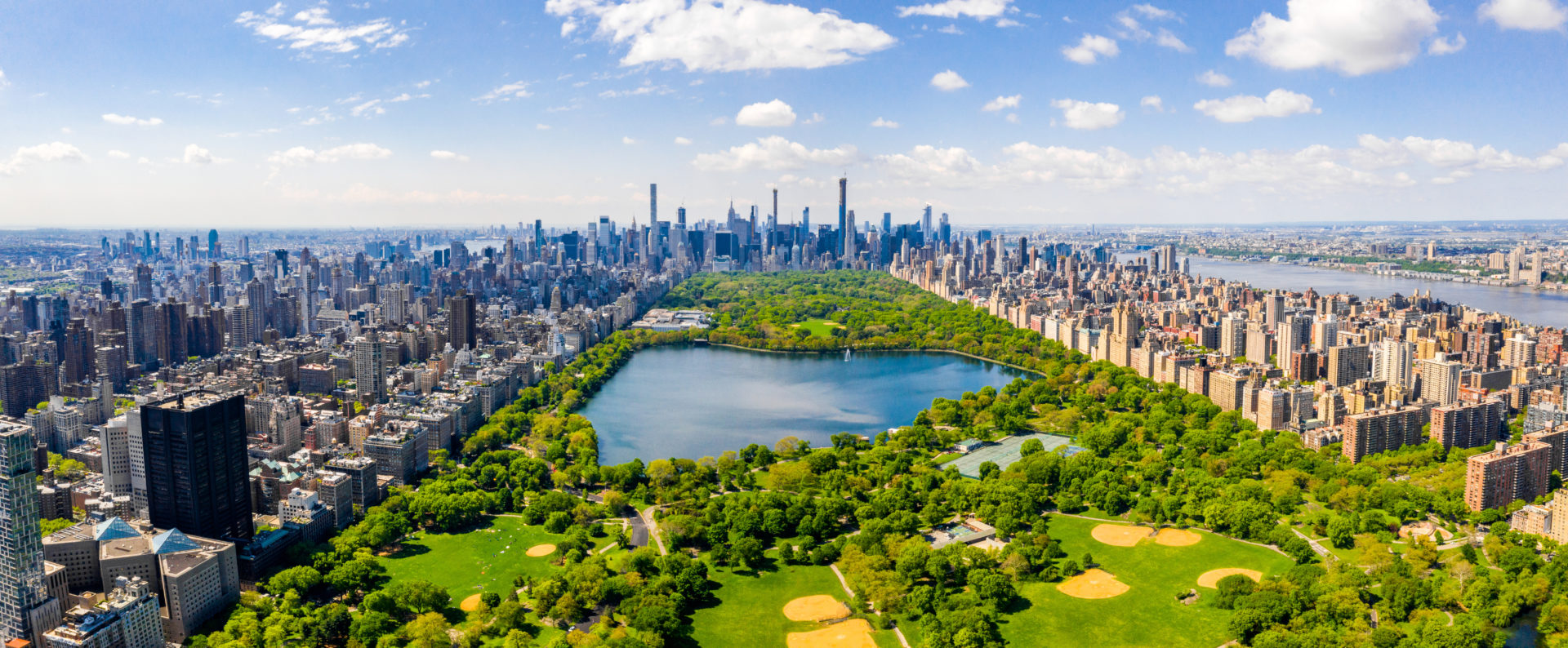
Manhattan’s neighborhoods span Upper Manhattan, the Upper East and West Sides, Midtown and Downtown. Housing includes co-ops, condominiums, loft conversions and townhouses. Use this guide to compare building types, park access and daily routes, then narrow the search by budget, monthly costs and the individual building’s purchase requirements.
Summary sources ·
Sources checked for this summary. Buyer considerations are ELIKA’s editorial guidance.

Choosing where to live
The right address begins with the right context.
In Manhattan, a few blocks can change the architecture, pace, transportation, carrying costs and way a property holds value. The neighborhood decision should be made alongside the property decision—not after it.
Use this guide to compare the island by region, explore each neighborhood in depth and identify the tradeoffs worth testing in person. ELIKA then turns that brief into an independent, buyer-focused search.
A faster way to orient the search
Start broad. Then make the decision block by block.
Neighborhood labels are useful shorthand, but the strongest search compares housing, access, ownership costs and long-term fit on consistent terms.
Historic fabric, lofts and waterfront living
From Tribeca and SoHo to the Villages and Financial District, Downtown offers the island’s broadest mix of conversions, townhouses, new condominiums and distinct street life.
Convenience at the center of the city
Midtown balances access, services and established residential enclaves—from Central Park South to Sutton Place, Midtown East and Midtown West.
Parks, institutions and residential scale
The Upper East and West Sides pair cultural institutions and park access with prewar co-ops, condominiums and townhouses; farther north brings more space and variety.
23 neighborhood guides
Explore Manhattan by region.
Filter by name or browse the regional groups. Each link opens the complete neighborhood profile farther down the page.
Downtown
10 neighborhoods
Midtown
05 neighborhoods
Upper East
03 neighborhoods
Upper West & North
05 neighborhoods
The complete neighborhood guide
Open the places you want to understand.
These profiles preserve the useful depth of ELIKA’s original guide while making the page easier to scan. Market conditions and specific inventory change; every property still requires current analysis.
01Battery Park CityDowntown
Battery Park City is a planned Lower Manhattan neighborhood built along the Hudson River, generally between West Street and the waterfront from Chambers Street south toward Battery Place. Its residential towers, parks, schools, Brookfield Place and waterfront esplanade give the area a more open, campus-like character than much of Downtown.
BPC is a mixed-use residential and commercial community constructed in the 1980s. It comprises five significant properties with high-tech amenities dotted by kid- and pet-friendly parks, interlinked by a 1.2-mile-long esplanade alongside the tidal estuary. Park benches line the whole stretch, ideal for relaxing after a pleasant stroll or watching that picture-perfect New York sunset.
The Winter Garden anchors Brookfield Place, while North Cove Marina sits directly on the Hudson River beside the complex. The marina, esplanade and adjacent parks are central to Battery Park City’s waterfront identity.
Going further south of the WFC is where most of BPC’s residential properties are: Gateway Plaza, Rector Place Residential Neighborhood, and Battery Place Residential Neighborhood. The area has modern facilities and services in other residential neighborhoods, including supermarkets, restaurants, bars, and movie theaters.
The Wagner Park on the southern tip of BPC offers a pleasant respite from the overwhelming “city-ness” of New York City life, where one can stroll through gardens of brightly colored flowers. Public restrooms are accessible, and plenty of stalls are open during the day.
02ChelseaDowntown
Chelsea is located on the West Side, bounded by 14th Street and 34th Street on the south and north end, respectively, by Sixth Avenue (Avenue of the Americas) on the east and the Hudson River on the west.
The neighborhood is a mixed residential-commercial area, an all-in-one has-it-all: magnificent townhouses, exciting nightlife, shopping, classy art, mouth-watering food, great recreation, and luxurious hotels. The neighborhood was named after Chelsea of the Moore family and is home to most of Manhattan’s creative community. With more than 200 art galleries dotting 20th to 28th Streets, Chelsea has become the art capital of New York.
If you’re a fan of the arts
Historic brownstones constructed almost a century ago still lined the 20th to 22nd Streets between 9th and 10th Avenues. Most of the neighborhood is still industrialized above 23rd Street and by the Hudson River. The northern portion of the Chelsea Piers, the city’s leading luxury cruise terminal until the 1930s, is part of an entertainment and sports complex where you can enjoy golf, bowling, skating, batting cages, and rock climbing. Kids will enjoy a game of soccer, baseball, gymnastics, and more. The Hudson River Esplanade from 59th to the Battery is an excellent place for biking and rollerblading. Go shopping with Barneys Coop, Balenciaga, or Comme des Garcons boutique.
The neighborhood is a significant route of public transport. The M10 works uptown on 8th Avenue and downtown on 7th Avenue, while the subway has stations between 14th to 34th Streets. The M23 bus goes crosstown on 23rd Street to the Piers, while the M11 services the north on 10th Avenue and south on 9th Avenue.
The East Village lies east of Greenwich Village, generally between Houston Street and 14th Street, with Broadway and the Bowery toward the west and the East River toward the east. Alphabet City occupies the neighborhood’s eastern avenues, while Astor Place and the blocks around Second Avenue connect it to NoHo and Greenwich Village.
East Village is a great neighborhood with diverse architectural wonders, vibrant social and cultural backgrounds, and rich history. Many buildings are beautifully designed tenement-style walkups built during the 1900s at the height of immigrant settlement in New York. Tompkins Square Park, built in the late 1800s and renovated in the 1990s, attracts young families, students, and tourists from all over with its playgrounds, basketball courts, handball courts, and outdoor chessboards. It is also voted one of the best dog parks in the United States.
Venture to Astor Place and spin at Tony Rosenthal’s “Alamo” sculpture, known locally as “The Cube.” Check out some alternative retailers in St. Mark’s Place from Third Avenue to Avenue A, including Yaffa Café, Crif Dogs, and a score of authentic Japanese restaurants and bars, not to mention the record stores that sell rare and competitively priced audio products. Wander to Cooper Square, find the Cooper Union campus, the Village Voice headquarters, and New York University class buildings.
East Village subway stops include Astor Place (6), Second Avenue (F, V), and 8th Street/NYU (N, R). Bus M9 goes crosstown to the east on 8th and 10th Streets and back to the west on 9th street.
04Financial DistrictDowntown
The Downtown Financial District is located on the southernmost section of Manhattan from the West Side Highway to the East River and bounded north by Park Place to Vesey Street. It encompasses roughly the southern area of City Hall Park, excluding Battery Park and Battery Park City. The corner of Wall Street and Broad Street is considered the heart of the neighborhood. Although the area is fast becoming more residential as more and more apartments are being constructed within the district (such as 3 Hanover Square, 55 Liberty, and 150 Nassau) as well as several upscale hotels, the Financial District is still primarily a haven of commercial transactions and daytime workers from around Manhattan and the surrounding neighborhoods.
If you want to visit FDI’s famous attractions, start with the Federal Hall National Monument at Wall Street and Nassau Street, where George Washington was inaugurated. The historic South Street Seaport, located on Fulton Street near East River, features some of the oldest architecture in downtown Manhattan. Hundreds of cafes, restaurants, shops, and stunning river views exist. The Financial District also hosts six museums, including the Fraunces Tavern Museum, with artifacts from the Colonial period to the mid-19th century.
Although the Financial District is synonymous with “Wall Street,” the neighborhood’s livelihood doesn’t stop with the New York Stock Exchange’s closing bell. There’s plenty of life after dark on this side of Manhattan, including hotel bars, sports bars, restaurants, strip clubs, and lounges. Public transport will be the least of your problems as the Downtown Connection offers free bus services and runs from South Street Seaport to Battery Park City.
05Gramercy ParkDowntown
In Downtown on the East Side, Gramercy is bounded west by Park Avenue South going to the East River, 14th Street on the south, and 23rd Street on the north. Named after a “crooked” stream. It is a quiet neighborhood centered on Gramercy Park, a private park between East 20th and East 21st Streets just before Park Avenue South. Only residents who live around the park have a key, and the public is only allowed once a year. Here you’ll find 19th-century brownstones and carriage houses still lining the area, although many high-rise apartments and skyscrapers have also been constructed. The Gramercy Park Hotel, built-in 1925 and renovated in 2006, hosts uniqueness and comfort where guests receive keys to the exclusive “secret backyard garden” during their stay.
Are you looking for a place to satisfy your appetite or your craving for a cold beer or hot coffee? Walk along Irving Place day or night and choose from restaurants, bars, and other commercial establishments. Japonais on East 18th Street is an upscale fusion restaurant for – you guessed it, Japanese dishes. Enjoy numerous famous and independent band concerts almost every night at Irving Plaza and Irving on East 18th Street.
The residential blocks from 16th Street to Gramercy Park South between Park Avenue South and 3rd Avenue suggest Old English settlements. East 19th Street between 3rd Avenue and Irving Place is known as “Block Beautiful” because it has many tenements with unique architecture and unspoiled beauty. Beth Midler’s Alma Mater, Washington Irving High School, is also on Irving Place.
06Greenwich VillageDowntown
Located in Downtown Central, it is bounded by Houston Street and 14th Street on the south and north, respectively, by Bowery on the east and Seventh Avenue on the west. The neighborhood lies south of Flat Iron District and north of SoHo, sandwiched by East and West Village.
Frequently referred to only as “The Village,” this cosmopolitan downtown area centers on Washington Square, a magnificent, dog-friendly park built with a large fountain area and a beautiful arch constructed in 1892. If you’re looking for other places to stroll on a lazy Saturday afternoon or escape the tall structures that dominate the surrounding areas, you can wander around the streets of Greenwich Village. This historic neighborhood is known for its outdoor cafes, restaurants, and windy European-like pathways. The buildings here allow more sunshine to reach the streets, which offers a calmer and more comfortable atmosphere. Walk around, and you’ll discover several smaller parks, secret courtyards, and small gardens hiding between lavish townhouses in the residential blocks.
Greenwich Village centers on Washington Square Park and a street network that breaks from Manhattan’s regular grid. New York University, historic townhouses, small parks and long-established cultural institutions shape the neighborhood. Jefferson Market Library, the landmark former courthouse on Sixth Avenue, is one of its most recognizable civic buildings.
Living in The Village also means you’ll be neighbors to many celebrities, including Liv Tyler, Julianne Moore, Jon Stewart, and Uma Thurman. If you see the Secret Service up and down West 9th Street, don’t be alarmed; this is where former President George W. Bush and their daughter, Barbara Pierce Bush, now reside.
07Lower East SideDowntown
Lower East Side on Downtown East is bounded by the Brooklyn Bridge on the south to Houston Street on the north, from the East River to the Bowery. The neighborhood is a bustling real estate center with apartments, condominiums, and other residential complexes under construction. This once-poor community is a center of lively Jewish culture, as evident in the many shops of Jewish heritage lining Hester and Essex Streets and on Grand Street near Pike.
If you’re looking for strictly Kosher delicacies and bakeries, go straight to Grand Street. You’ll also find a few “Kosher-style” delis in Katz’s Delicatessen, which opened in 1888 and is located at 205 East Houston Street, on the southwest corner of Houston and Ludlow Streets.
Nightlife in the Lower East Side is also booming as the neighborhood is gentrified and has become safer to go out at night. Clinton and Ludlow Streets on Rivington Street and Stanton Street provided nighttime entertainment and can become a full package when the sun goes down, including Pianos and the Living Room. Teany, the Delancey Lounge, and Schiller’s Liquor Bar are favorite hangouts.
Suppose you’re looking for a residence in this part of Manhattan. In that case, you can select from among the many historic walkups, mostly without door attendants, or visit Grand Street Co-ops for an available apartment space among its 4,500 units.
SoHo sits south of Houston Street and north of Canal Street, centered on the cast-iron blocks around Broadway, Greene, Mercer, Wooster and West Broadway. Lafayette Street forms the eastern edge of the core area, while Sixth Avenue and the transition toward Hudson Square lie to the west; SoHo itself does not extend to the Hudson River.
SoHo is defined by one of the world’s largest concentrations of cast-iron architecture, much of it dating from the nineteenth century. Former manufacturing and warehouse buildings became lofts, galleries and residences, while Broadway and the surrounding side streets developed into a major shopping and design district. Buyers should distinguish the SoHo core from Hudson Square farther west when comparing building type, zoning context and residential character.
The district’s charming cobblestone streets, which have been recently repaved, together with an assortment of designer boutiques such as Chanel, Marc Jacobs, and Prada, attract quite a crowd, especially on weekends and holidays. But SoHo
Getting there is the least of your worries as subway trains A, C, E-services Canal Street (C, E to Spring Street), trains 1,2,3 stops at Houston and Canal Streets, R, W to Prince Street. Trains N, R, Q, and W services Canal Street, 6 to Canal and Spring Streets, and J, M, Z to Canal Street. The M20 bus goes uptown on Hudson Street and downtown on Varick Street. Bus M21 goes crosstown on Houston Street, M1 and M6 services south on Broadway, with M1 going back north on Lafayette and the M6 on 6th Avenue.
Tribeca is the Lower Manhattan neighborhood south of Canal Street, broadly extending from the Hudson River and West Street east toward Broadway, with Chambers and Vesey streets forming much of its southern transition into the Civic Center and Financial District. Its cobblestone blocks, converted warehouses, loft buildings, townhouses and newer condominiums create a residential market with unusually large homes and a strong emphasis on privacy and scale.
This charming little neighborhood north of the Financial District offers pricey but great living. It has first-class eats, bars, and other amenities. Cross the West Side Highway and enjoy the astonishing Hudson River Park, where you can stroll along the promenade or watch the sunset kiss the horizon. Catch the Tribeca Film Festival every spring, which draws moviemakers and film buffs worldwide. You can also get a superb Mediterranean meal at Tribeca Grill, not to mention a glimpse of celebrities. Nobu is one sushi restaurant you shouldn’t miss – try their cod in miso sauce, and you’ll forget you’re in Manhattan. Dylan Prime serves excellent steak for that fine American dining.
With its proximity to the Financial District, getting to Tribeca is no hassle. Subway trains one and nine stop at Canal Street, Franklin, or Chambers Streets. The two and three express trains stop only at Chambers, while the A, C, and E lines stop at Canal Street near West Broadway. The east side has six train stops at Canal and Broadway. The M20 bus will take you uptown on Hudson Street and downtown on Seventh Avenue/Varick Street, while M6 will take you uptown through 6th Avenue. The M22 services are crosstown at Chambers Street.
10West VillageDowntown
This trendy neighborhood is characterized by streets uniquely laid out as “off the grid,” which can often confuse tourists and residents alike. At the same time, 75 Bedford Street is “the narrowest house in the City” at 9.5 feet wide. Classic artist’s lofts, such as the Westbeth Artists Community, are housed here, along with new residential high rises at 173-176 Perry Street facing the Hudson River. Fashionable boutiques, quaint shops, and nightclubs are located in the Meatpacking District in West City.
Transportation includes trains A, C, and E, with subway stations at 14th Street on the Eighth Avenue Line and West 4th Street-Washington Square on the IND Sixth Avenue Line. Trains 1, 2, and 3 stop at 14th Street, Christopher Street-Sheridan Square, and Houston Street.
11Central Park SouthMidtown
Central Park South is the neighborhood street from Fifth Avenue
Central Park South integrates old-world charm close to modern conveniences, as is evident in some of its pre-war apartments that still stand in the area, including the Gainsborough Studios, which was completed in 1907. CPS also houses several post-war townhouses and condos that attract young tenants looking for lounges, pools, and more, such as 220 Central Park South and 24 Central Park South, built in 1954 and 1961.
The best thing about living in Central Park South is the spectacular view from above, the proximity to Central Park, and the utterly convenient lifestyle. Fine dining, lavish shopping centers, and entertainment venues are just a stone’s throw away. Horse-drawn carriages provide a nostalgic experience of past New York years and are quite an attraction per se, so why not come along and take a stroll?
12Midtown EastMidtown
Midtown East lies on the East Side, bordered by Fifth Avenue on the west to the East River, 42nd Street on the south, and 57th Street on the north. This area is undoubtedly the busiest single commercial district in the United States.
When people talk about Manhattan, the first thing that comes into mind is probably the Chrysler Building on Lexington Avenue, which has become an iconic landmark that also sums up the whole of Midtown East. The area contains a lot of energy for commerce and hosts many other buildings with magnificent architecture. Don’t let your jaw drop when you visit Grand Central Terminal or St. Patrick’s Cathedral across the street from Rockefeller Center. Remember to keep your eyes on the road when passing the billion-dollar Time Warner Center at Columbus Circle.
Many Midtown East residents go shopping at Bloomingdale’s on 1000 3rd Avenue, while Central Park provides the needed space for relaxation and unwinding. Classy night owls flock to King Cole Bar at the St. Regis Hotel on East 55th Street, Fifth Avenue, for a night of sumptuous dinner.
Midtown West covers the western side of Midtown and includes Hell’s Kitchen/Clinton, the Theater District, Columbus Circle and the blocks approaching the Hudson River. Hell’s Kitchen is generally associated with the area west of Eighth Avenue, while the broader Midtown West market reaches east toward the central business district. Housing ranges from walk-up buildings and prewar co-ops to large rental towers and newer condominiums.
This former stronghold of poor and working-class Irish Americans has undergone a significant facelift since the old days of The West Side Story. It is now home to many people of different cultural backgrounds. As a testament, Restaurant Row on West 46th Street between Eighth and Ninth Avenues became well known for its many ethnic restaurants serving all imaginable cuisine, from Afghan dishes to Vietnamese oriental cooking.
Midtown West is a transportation hub that includes the Lincoln Tunnel, which connects New York City to New Jersey, and the vast Port Authority Bus Terminal between 40th and 42nd Streets at Eight and Ninth Avenues. Cruise ships continually dock at the New York Passenger Ship Terminal on Piers 88, 90, and 92. Nearby is a collection of planes on display at the Intrepid Sea-Air-Space Museum featuring the USS Intrepid Aircraft Carrier. Even the horse-drawn carriages of Central Park stay in stables just off the West Side Highway.
Every summer, thousands of New Yorkers enjoy the live concert series at Bryant Park, featuring some of the best acts in the world. The Bryant Park Summer Film Festival also showcases free outdoor movies every Monday evening. The giant Christmas tree at Rockefeller Center is a sight to behold every winter, and you can also go ice skating on the ice rink below.
14Murray HillMidtown
This Midtown East Side neighborhood runs from 23rd Street (south) to 42nd Street (north) from the East River to Park Avenue South between 23rd and 34th Streets, then expands from the East River to Fifth Avenue across 34th 42nd Streets.
After the Murray family, Murray Hill was named after 18th-century Quaker merchants who moved to New York in 1753. Living in this part of the city may not be as charming as in other parts of Manhattan, but housing here is slightly cheaper than its neighbors, which many find extremely practical. Most residents are young people in their twenties and thirties, mostly students and young New York professionals.
Living here is less expensive than living near Greenwich Village or SoHo. Most of the cheap but good restaurants are located on the edges of Murray Hill, although casual eateries are plentiful. Go straight to Third Avenue for a delightful selection of delis, bars, and boutiques. Marvel at the architectural genius of the Morgan Library and Sniffen Court carriage houses on 36th Street.
Need to reach Murray Hill fast? No problem. Bus M16 and 104 go to Crosstown, servicing 34th Street and 42nd Street. Lexington lines five and six stop at Park Avenue, while line 4 makes an express stop at Grand Central. Line 7 services 42nd Street along the northern boundary, bringing Queens residents to the neighborhood ten minutes from Astoria.
15Sutton PlaceMidtown
Sutton Place is a charming little neighborhood that borders the East River to Second Avenue on the west and 52nd and 59th Streets on the south and north, respectively. It is a quiet and fashionable little place per se, things you would not expect amid the hustle and bustle of midtown Manhattan. The area covers two public parks, one at 57th Street and another at 53rd Street, jogging along the East River, and a dog run.
The neighborhood is considered one of the city’s most attractive and prominent residential addresses. It was named after shipping magnate Effington B. Sutton bought the land along the river.
On 58th Street, you will find a row of gorgeous co-ops and townhouses, while Sutton Place per se houses several beautifully designed apartment buildings with an unobstructed view of the East River. The UN Secretary-General has its official residence in a four-story townhouse in Sutton Place, formerly owned by Anne Morgan and donated to the United Nations as a gift in 1972.
If open park spaces are not your type of hangout, you can head on to Sutton Place Bar and Restaurant at 1015 Second Avenue between 53rd and 54th Streets, a hot spot with four full bars where you can have a few drinks, listen to music or watch your favorite sporting events. The Terrace is an outdoor rooftop patio where you can drink outdoors.
16Carnegie HillUpper East
Carnegie Hill is a residential enclave on Manhattan’s Upper East Side, generally associated with the streets east of Central Park around East 86th to East 96th Streets. Prewar apartment houses, townhouses and distinguished institutional buildings give the area a notably varied streetscape. The Andrew Carnegie Mansion on Fifth Avenue—now home to Cooper Hewitt, Smithsonian Design Museum—helps explain the neighborhood’s name.
Madison Avenue shopping, schools, museums and nearby Central Park are among the neighborhood’s everyday amenities. Buyers should examine the block, layout, co-op or condominium structure, building finances, board requirements and monthly carrying costs rather than relying on a broad luxury-neighborhood label.
17East HarlemUpper East
Located in Uptown Manhattan, East Harlem is bounded by 110th Street on the south, 125th Street on the north, Fifth Avenue on the west, and the East River.
The East Harlem neighborhood is a fascinating mix of apartment buildings and historical places with a vibrant, diverse population of straight and gay, black and white, South Americans, Asians, and Europeans. Come and see the area’s rich history or marvel at the myriad of modern apartment complexes that cost twenty percent less than their counterparts to the south. As the building boom continues, so does the influx of major commercial establishments. The East River Plaza, a $150 million shopping on 116th Street off Franklin D. Roosevelt Drive, will be housing Target’s first Manhattan store above Home Depot. A joint venture at 1800 Park Avenue between 124th and 125th Streets will include an office and retail center.
If you want an outdoor venue to play ball, head to Thomas Jefferson Park. It is a 15.524-acre park on 1st Avenue between East 111 and E 114 Streets where you can play baseball, basketball, football, or soccer. Treat yourself to fine dining at Orbit on 1st Avenue at East 116th Street, where they serve Italian, Latin American, and traditional American dishes, or hang out at Creole Supper Club, which features live jazz on weekend nights.
Major transportation includes subway stops at 110th and 116th Streets (6) and 125th Street (4,5,6). The M15 bus services the north on 1st Avenue and south on 2nd Avenue; M100 crosstown to 125th Street; M103 uptown on 3rd Avenue and downtown on Lexington Avenue; M106 goes north on Madison Avenue and south to 5th Avenue while M116 goes crosstown on 116th Street.
The Upper East Side stretches north from roughly East 59th Street toward East 96th Street and beyond into Carnegie Hill, between Central Park and Fifth Avenue on the west and the East River on the east. The housing stock ranges from landmark townhouses and prewar co-ops to postwar condominiums and newer luxury development. Buyers should compare building governance, monthly carrying costs, avenue versus side-street exposure, park access and east-west transit carefully because those variables can materially change value from block to block.
In the Upper East Side
The Upper East Side; is served by the IRT Lexington Avenue Line 4,5,6 and local bus routes. The Second Avenue Subway’s first phase opened in 2017, adding stations on the Upper East Side.
19HarlemUpper West & North
Located in Uptown Manhattan, Harlem neighbors Hamilton and Morningside Heights on the west side from Manhattan Avenue and St. Nicholas Avenue to the East River from 110th Street on the south to 155th Street on the north.
This great neighborhood harbors many architecturally beautiful edifices ranging from brownstones and historic landmarks to modern condominiums and museums. Residences like the 155-unit Dunbar Apartments, on 149th to 150th Streets, in Frederick Douglass Boulevard to Adam Clayton Powell Jr. Boulevard, the very unique and southern-style Astor Row between Fifth Avenue and Lenox Avenue, and Striver’s Row on 139th Street between 7th and 8th Avenues are some of the familiar sights you’ll find.
Harlem provides an exciting and unique suburban life favored by various modern amenities. You can find anything that your heart desires under Fairway Uptown and Citarella. Enjoy shopping with Harlem’s favorite retail stores, Disney, Old Navy, HMV, Marshall’s Circuit City, and smaller boutiques. Head to Apollo Theater at 253 West 125th Street, the most famous club in Harlem, for a night of favorite music.
Transportation includes subway trains 2 & 3 servicing Lenox Avenue from 110th Street to 135th Street with train three servicing up to 148th Street on Adam Clayton Powell Boulevard; B, C on Frederick Douglass Boulevard from 110th Street to 155th; A on 125th to 145th; and D from 125th to 155th.
Inwood occupies the northern tip of Manhattan, with Dyckman Street forming much of its southern transition from Washington Heights. The Hudson River lies to the west, while the Harlem River and Sherman Creek shape the eastern waterfront; Spuyten Duyvil Creek and the Harlem River define the island’s northern edge. Inwood Hill Park, Fort Tryon Park, prewar apartment buildings and the neighborhood’s Broadway and Dyckman Street commercial corridors are central to its character.
The neighborhood offers a calm respite from the busy streets of downtown Manhattan and its surrounding districts and appeals to many looking for lower housing costs. It is known for its woody, rocky parks suitable for hiking and bird-watching. You can see waterbirds, raptors, and various migratory birds stopping by on the last salt marsh in Manhattan. The area also boasts the last remaining caves in Manhattan and the previous colonial farmhouse, the Dyckman House.
The community is mostly a residential neighborhood consisting of apartment houses, parkland, and an area designated as an industrial zone. It is also one of the few remaining places on Manhattan Island where you will still find detached houses instead of high-rise apartments, brownstones, and townhouses. You can shop for clothes, food, and other items in the main shopping areas of Dyckman Street, Broadway, and West 207th Street. Broadway is the area’s leading local thoroughfare (designated US 9 at this point), while Henry Hudson Parkway and the Harlem River Drive are its main highway arteries.
21Morningside HeightsUpper West & North
Morningside Heights runs from Riverside Drive on the west to Morningside Park on the east, from 110th Street on the south (bordering the Upper West Side) to 125th Street going north. The main thoroughfare is Broadway Avenue, filled with restaurants, cafés, specialty stores, retail outlets, and other amenities.
Morningside Heights was once known as an academic neighborhood (also called the “Acropolis of New York”) because it is one of the highest natural points in Manhattan and where numerous educational institutions had made this part of Manhattan their home base. Columbia University, Barnard College, and Manhattan School of Music are some of the many academic landmarks. Many of the city’s lavish townhouses and apartment buildings dominate the architectural scene, most notably the homes along Riverside Drive, offering spectacular Hudson River views. High-rise condos, co-ops, the Cathedral of Saint John the Divine, the Riverside Church, and St. Luke’s Hospital add to the unique architecture area.
Morningside Heights also houses one of the most famous diners in the world—Tom’s Restaurant on Broadway at West 112th Street, which was featured in the song “Tom’s Diner” by one of Barnard College’s alumni, Suzanne Vega. The restaurant was also featured in the television sitcom Seinfeld as the daily hangout of the characters in the show. West End Gate, Terrace, Kitchenette Uptown, and Pisticci are also favorite hangouts of the gastronomically adventurous.
22Upper West SideUpper West & North
On the west side of Central Park, from 57th Street north to 110th Street, from Central Park West to the Hudson River. This lovely neighborhood stretch offers everything from residential buildings, each with its distinct architectural style, to commercial establishments that span a century of tradition—residents who live in the Upper West Side
Many apartment buildings along Central Park West are some of the most desirable apartments in New York, mainly because of their unobstructed view of the park and their one-of-a-kind architectural design. John Lenon used to live at The Dakota at 72nd Street. Along Broadway, there are several apartment houses of Beaux-Arts architecture. At the same time, Riverside Drive has many great pre-war houses, and north of Columbus Avenue are the homes of post-modern landmark buildings.
Upper West Side also has several cultural landmarks, including the Lincoln Center, the American Museum of Natural History, and the 2,800-seat Beacon Theater. The district also hosts scores of public and private schools, from preparatory to graduate schools. At the same time, Amsterdam Avenue, from 67th up north to 96th Streets, is lined with exquisite restaurants and live music bars.
Washington Heights occupies Upper Manhattan between roughly 155th Street and Dyckman Street, with the Hudson River to the west and the Harlem River along much of the eastern edge. The neighborhood includes dense prewar apartment districts, historic institutions, Fort Washington Park and access to the George Washington Bridge, with significant differences in elevation, housing stock and streetscape from east to west.
Historical Washington Heights was named after Fort Washington, constructed at the highest point on the island. This was home to well-off New Yorkers from the late 18th century to the 19th century. The Morris-Jumel Mansion, located between West 160th and West 162nd Street in the Jumel Terrace Historic District, still stands today after 241 years. The neighborhood today is a busy urban area with a lively economy on its own. From shopping to dining, Washington Heights will never run out of amenities. For some time off after a day’s full work, the neighborhood’s five parks provide recreational facilities and offer stunning views and sceneries.
Getting to this bustling neighborhood is not a problem. Washington Heights is serviced by subway lines A and C on Eighth Avenue, with stops from 155th Street to 190th Street. Subway train one along the Broadway-Seventh Avenue Line stops at 157th, 168th, 181st, and 191st Streets.
Beyond the neighborhood name
A disciplined comparison protects the purchase.
ELIKA represents the buyer—not the inventory. The search starts with the outcome and tests each credible property against it.
Define the daily brief
Commute, space, property type, services, outdoor access and the way the neighborhood should feel.
Compare ownership
Condo, co-op and townhouse options bring different pricing, rules, financing and diligence.
Read the block
Light, noise, access, building context and nearby development can matter as much as the neighborhood name.
Protect the decision
Value, carrying costs, condition, liquidity and resale potential are tested before commitment.
Frequently asked questions
Choosing a Manhattan neighborhood.
How should a buyer choose a Manhattan neighborhood?
Begin with daily-life priorities: commute patterns, housing type, building services, park access, street activity, budget and expected holding period. Tour several neighborhoods at different times before narrowing the search.
Which Manhattan neighborhoods have the most condos?
Condominium inventory is concentrated in many Downtown and Midtown areas and in newer developments across the island, but availability varies by block and building. Co-ops remain a major part of the Manhattan market.
Are co-ops or condos more common in Manhattan?
Co-ops represent a substantial share of Manhattan apartment inventory, particularly in established prewar neighborhoods. Condos often provide greater flexibility but can carry a price premium. The best fit depends on finances, intended use and resale priorities.
Can ELIKA compare neighborhoods as part of a custom search?
Yes. ELIKA builds the neighborhood comparison into the buyer brief, sources public and off-market opportunities, and evaluates each property in the context of its building, block and long-term objective.
Compare across the city
Keep Brooklyn in the conversation.
Your New York search, represented
Turn the neighborhood shortlist into a property strategy.
Planning a move to New York? Explore household budgets with our NYC Cost of Living Calculator, then review the longer-term costs of a purchase with the True Cost of Owning calculator.