

Table of Contents Show
New York’s building descriptions tell you different things about a home. Condo and co-op describe ownership. Prewar and postwar describe an era. Loft, brownstone, townhouse and walk-up describe aspects of the building itself. The labels can overlap: a prewar loft may be a condominium, while an apartment in a brownstone may be a co-op.
Start with the experience you want, then examine the ownership, costs and rules behind it. The same architectural style can offer very different day-to-day arrangements from one address to the next.
Condominium BuildingsCondominium Buildings
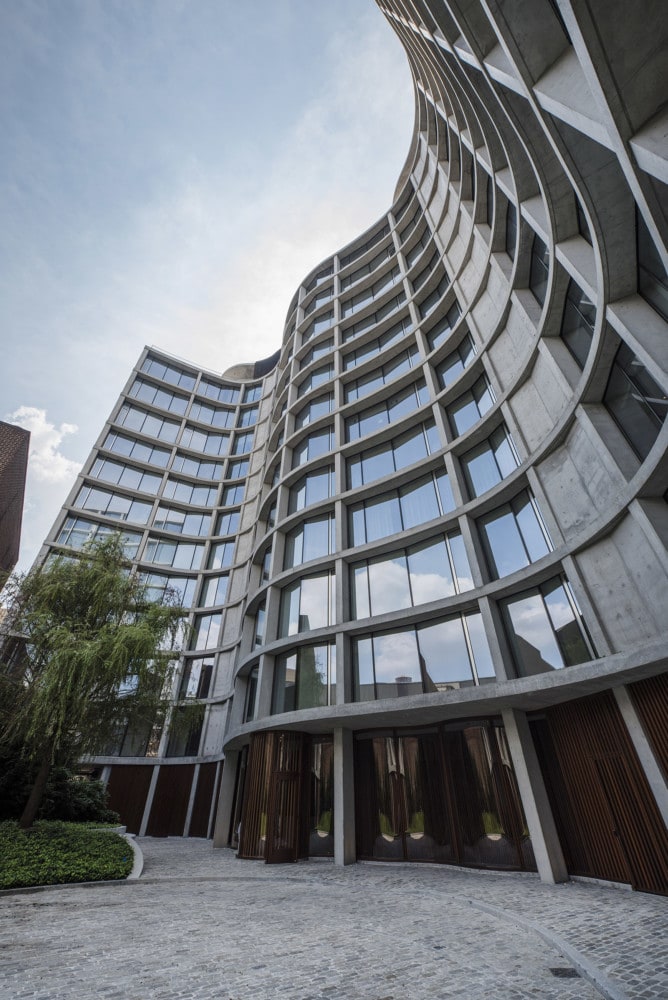
A condominium buyer owns an individual unit together with an interest in the building’s common elements. The building can be a glass tower, a converted industrial property or a small collection of apartments. Condo ownership does not tell you how many homes, services or amenities it contains.
Compare common charges, the unit’s property taxes, assessments and any additional service fees. Ask about the building’s transfer and leasing procedures, application requirements and any right of first refusal in its governing documents. A condo purchase does not follow the same approval process as a co-op purchase, but there can still be paperwork, fees and timing requirements.
Explore New York City condominiums.
Cooperative BuildingsCooperative Buildings

In a cooperative, the buyer acquires shares in a corporation and a proprietary lease associated with the apartment. The board and governing documents shape how the building operates, including purchase applications, alterations and subletting.
Review the financial requirements and current application process early. Maintenance charges typically include the apartment’s share of building expenses and property taxes, with building mortgage costs included where applicable. Services, permitted financing and sublet policies vary. Evaluate the particular co-op rather than assuming every board follows the same rules.
Pre-War BuildingsPre-War Buildings
In New York real estate, prewar generally refers to buildings completed before World War II. The category includes much more than large apartment houses: smaller elevator buildings, converted houses and walk-ups also belong to the city’s older housing stock.
Buyers may find generous room proportions, plaster detailing, wood floors and distinct entry foyers. Those features are possibilities, not a specification. Visit for light, circulation, storage and noise, and ask about windows, plumbing, electrical capacity, heating and planned capital work. An attractive original detail does not establish the condition of the systems behind it.
Post-War BuildingsPost-War Buildings
Postwar describes buildings constructed after World War II. It spans many decades, from mid-century apartment houses to later residential towers; it should not be treated as another name for new development.
Some offer broad windows, straightforward layouts and substantial shared services. Others are smaller or more restrained. Look at the actual floor plan, exposures, ceiling heights, materials and maintenance history. A building’s age alone will not tell you whether it has updated equipment, a doorman or a gym.
Loft BuildingsLoft Buildings

Many New York lofts began as commercial or industrial spaces before conversion to residential use. Open layouts, large windows, columns and exposed structural elements can give them a distinctive sense of scale. Purpose-built apartments can also be marketed as lofts, so confirm what the description means at the address you are considering.
Walk the proposed layout with your furniture and privacy needs in mind. Ask about natural light, ventilation, sound separation and the practicality of adding rooms. Confirm the permitted residential use and conversion history with your attorney and relevant professionals; the word “loft” in a listing does not establish legal occupancy.
Read more about New York loft apartments.
BrownstonesBrownstones

Brownstone refers to the brown sandstone associated with the façades of many New York row houses. It is a material and a familiar architectural description, not an ownership category. A brownstone may contain one home or several apartments, and a townhouse can have a brick, limestone or other façade.
Look beyond the stoop. Ask about masonry condition, roof and drainage work, basement moisture and the history of alterations. Confirm landmark or historic-district status before planning exterior changes. Garden access and use of outdoor areas should be established from the property’s documents rather than assumed from the building type.
TownhousesTownhouses

A townhouse offers a house arranged across multiple levels, often within a row of attached homes. New York examples vary in height, width, layout and number of residences. Some are single-family houses; others contain multiple homes or have been divided into separately owned apartments.
When buying an entire house, consider the responsibility for the roof, façade, mechanical equipment, insurance and ongoing maintenance. Confirm the legal configuration and any tenancies, shared rights or restrictions. If you are buying an apartment within a townhouse, its condo or co-op structure still matters. Privacy, outdoor space and control over the property depend on what is actually included in the purchase.
Explore New York City townhouses.
Walk-UpsWalk-Ups

A walk-up is a building in which residents reach their apartments by stairs rather than a passenger elevator. The term describes access; it does not establish the quality, condition or ownership of the homes inside.
Try the stairs as part of the viewing and think about groceries, deliveries, luggage and your longer-term needs. Check lighting and handrails, storage arrangements and any outdoor access. The apartment’s floor, light and layout may appeal to you, but the daily route to the front door deserves equal attention.
Take the next step: use the Manhattan Building FAQs: Before You Buy for questions about reserves, repairs, rules and ownership costs. Then explore the Manhattan building directory to compare individual profiles and follow their links to current listing searches.
Reference guidance: New York Attorney General — condominiums; cooperatives; NYC property taxes; NYC legal occupancy. Review the building’s current documents and your transaction with the appropriate professionals.

